
เกี่ยวกับโนวาสโกเชีย
โนวาสโกเชียเป็นจังหวัดเล็ก ๆ ของแคนาดาที่ตั้งอยู่บนชายฝั่งมหาสมุทรแอตแลนติก แต่เต็มไปด้วยเอกลักษณ์เฉพาะตัว ด้วยแนวชายฝั่งยาวกว่า 13,300 กิโลเมตร และปรากฏการณ์น้ำขึ้นน้ำลงที่สูงที่สุดในโลก ทุกแง่มุมของชีวิตในจังหวัดแห่งนี้จึงได้รับอิทธิพลจากมหาสมุทรและภูมิทัศน์ทางทะเลอันงดงาม ทะเลสาบน้ำจืด ผืนป่ากว้างใหญ่ และธรรมชาติอันบริสุทธิ์เป็นภาพที่พบได้ทั่วไปในพื้นที่ชนบท เศรษฐกิจของโนวาสโกเชียยังคงมีความเชื่อมโยงอย่างลึกซึ้งกับอุตสาหกรรมดั้งเดิม ได้แก่ การเกษตร การประมง และการทำเหมืองแร่
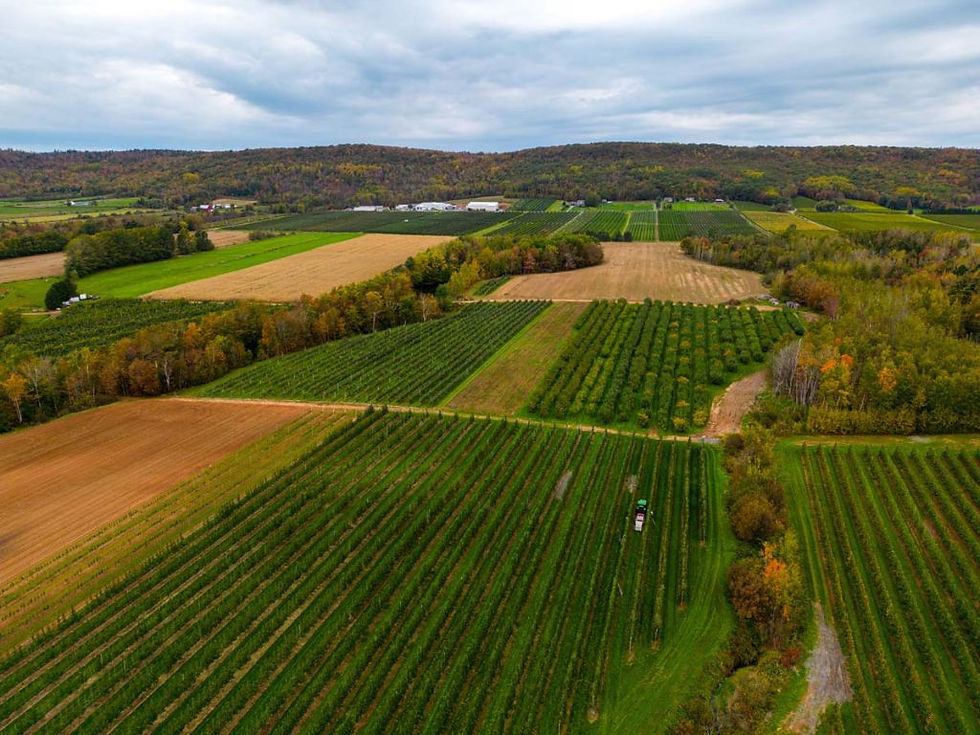
ภูมิภาคเกษตรกรรมหลักของโนวาสโกเชียตั้งอยู่ในหุบเขาแอนนาโพลิส (Annapolis Valley) ซึ่งเป็นที่ตั้งของสวนแอปเปิลรายใหญ่ทั้งหมดของจังหวัด หุบเขาแห่งนี้มีความยาวประมาณ 150 กิโลเมตร และประกอบด้วยเทือกเขานอร์ทเมาน์เทน (North Mountain) และเซาท์เมาน์เทน (South Mountain) ที่ทอดตัวขนานไปกับอ่าวฟันดี (Bay of Fundy) ซึ่งมีระดับน้ำขึ้นน้ำลงสูงที่สุดในโลก สภาพภูมิอากาศเฉพาะถิ่นที่เป็นเอกลักษณ์นี้เหมาะอย่างยิ่งสำหรับการปลูกแอปเปิล และยังมอบความได้เปรียบให้แก่ผู้ปลูกเมื่อเทียบกับหลายพื้นที่อื่น ๆ ในการผลิตผลไม้คุณภาพสูง.
400 ปีแห่งการปลูกแอปเปิล
Apples have been grown in Nova Scotia since the settlement of North America, with the first plantings by French settlers in the early 1600’s. From the 1860’s until World War II, apples were an export staple of Nova Scotia to Britain, however after the war Britain established its own apple industry and this market declined significantly. After a period of serious decline, by the 1980s the industry was in trouble. In the 1990’s the fate of the industry began to turnaround as a new industry focused on taste and modern planting methods arose. At the same time, the Honeycrisp was introduced to the Nova Scotia landscape and the rest is history.